My senior comprehensive project or capstone at Allegheny College. The Eclipse is set in 2004, in a version of America where superheroes are ordinary. The hero an entire generation grew up on is killed on live television, and an eighteen-year-old named Elias hears her last words as an instruction. The story follows what that conviction costs him.
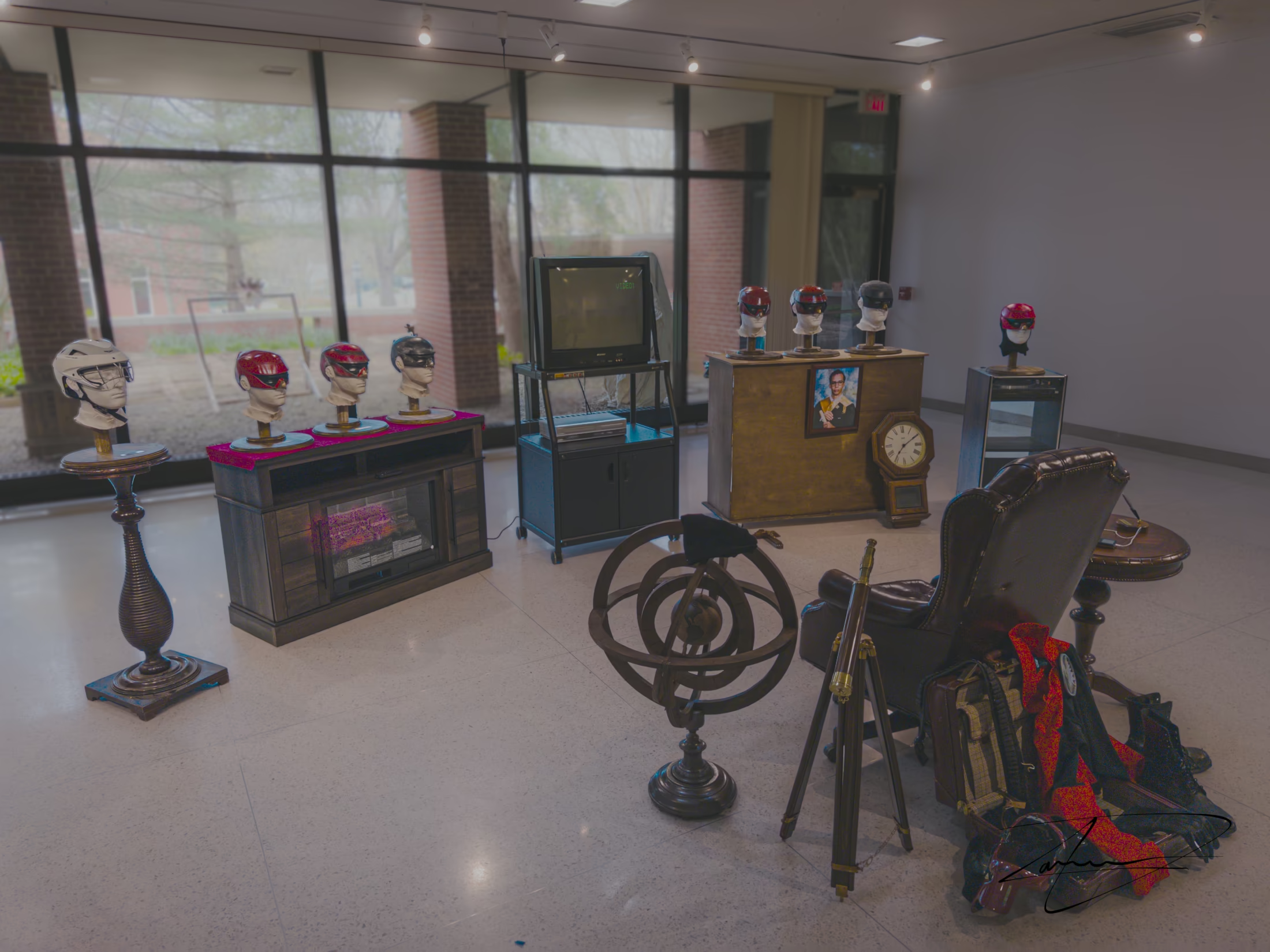
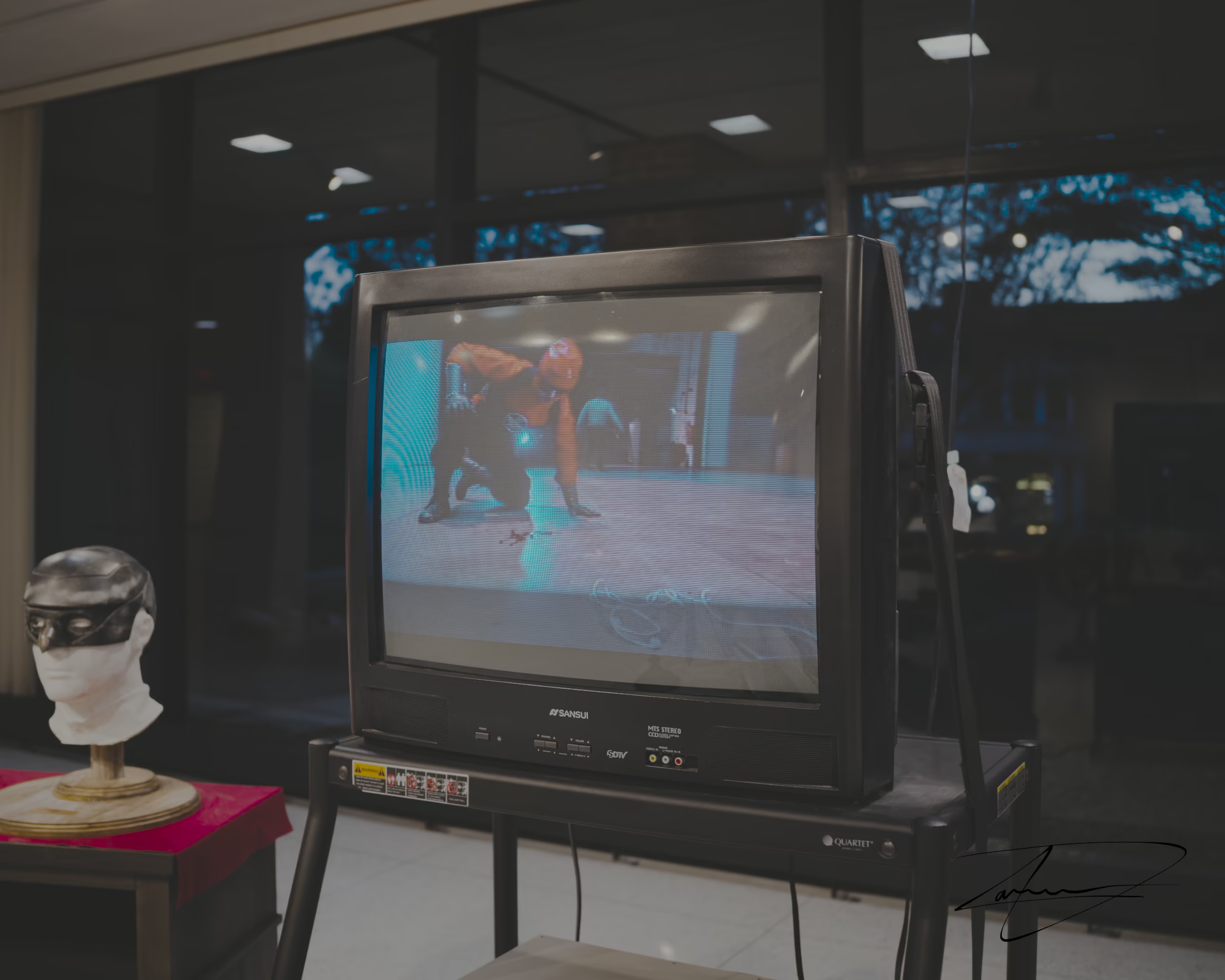
Inside the gallery the eight pieces are staged as a room in a home, with a fireplace, a bar, a leather chair and a CRT television. Not a gallery display, not a workshop, not a display case. A room, so the helmets read not as a hero's trophies but as the private records of someone whose belief system collapsed. The three narrative helmets are named for the phases of a solar eclipse, and each has a foam stunt double built alongside it, the way a film production would.
Shown in The Four Horsemen, a four-person senior comprehensive exhibition.
Exhibition index
Eight pieces, numbered as they are on their own plaques and laid out as the room was: the narrative helmets along the fireplace on the left, their foam stunt doubles along the bar on the right, each one opposite the helmet it doubles for. A piece photographed from more than one angle turns in place; click a photograph for a closer look.
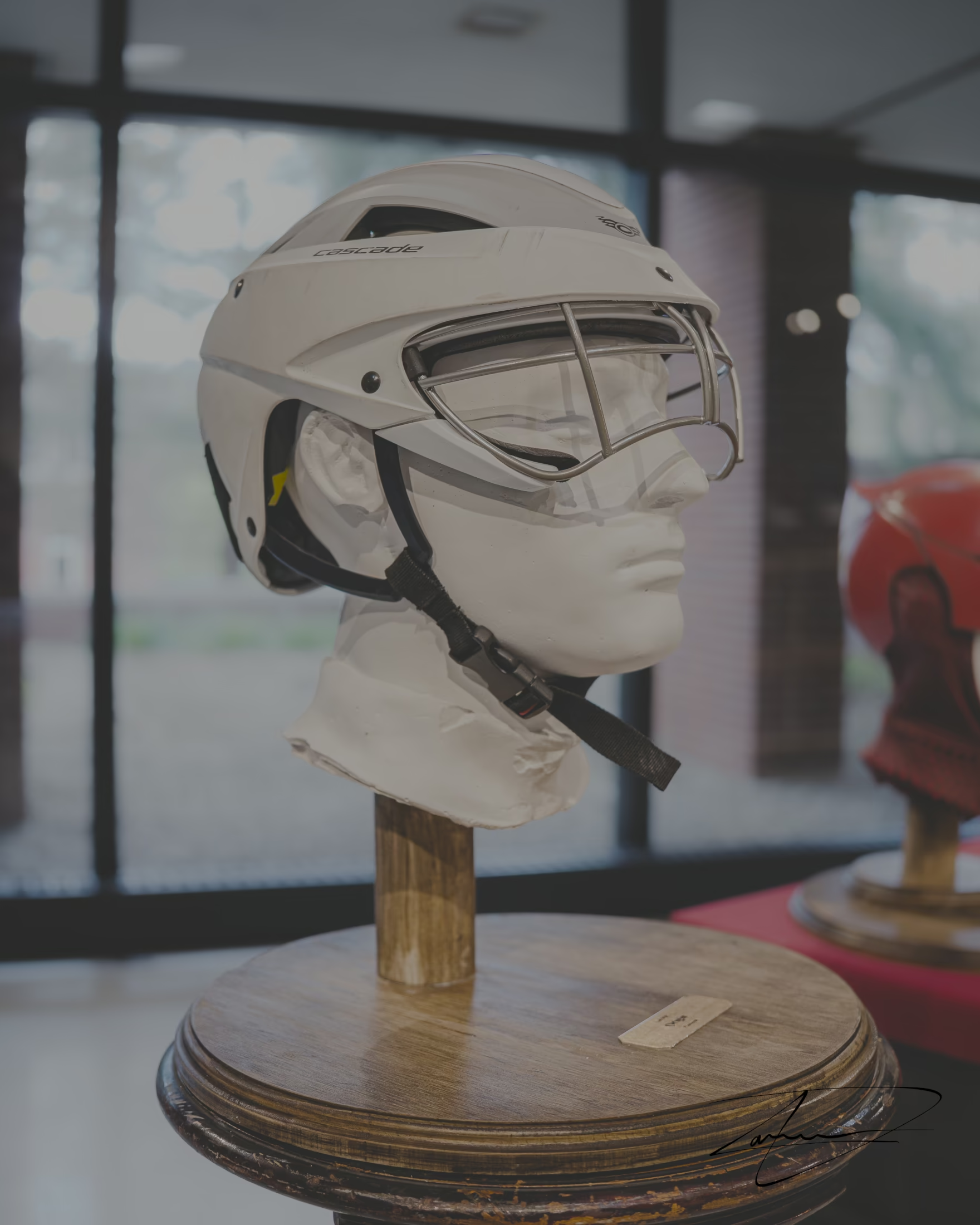
Origin on its own stand, then the three narrative helmets along the fireplace.
I1 / 2
I of VIII
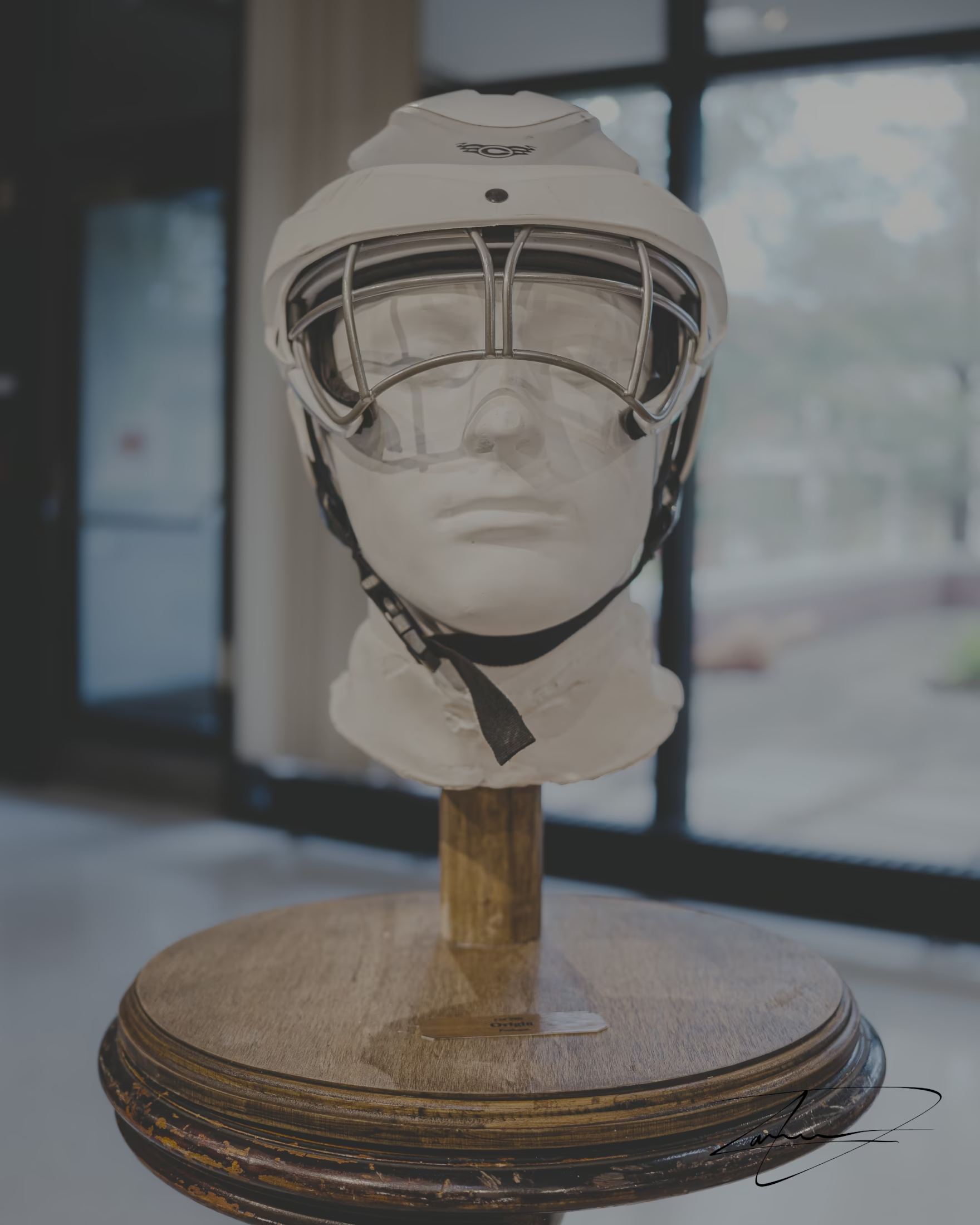
Origin
Prologue
Before Elias has a suit of his own he goes out in pieces of his friend Sam's lacrosse gear. It stands on its own plant stand, apart from the fireplace grouping, so it reads as something earlier and smaller than the story that follows.
II1 / 3
II of VIII
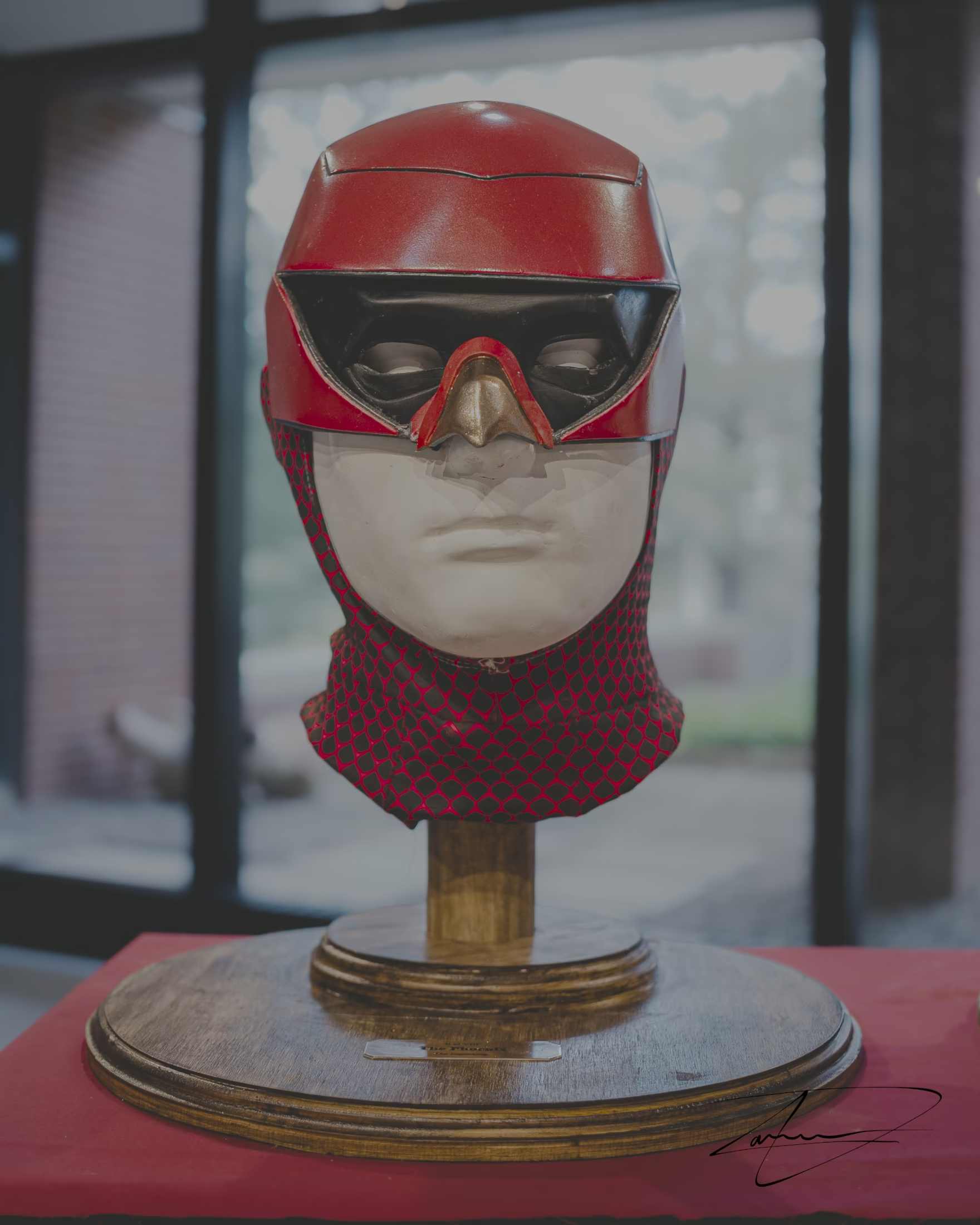
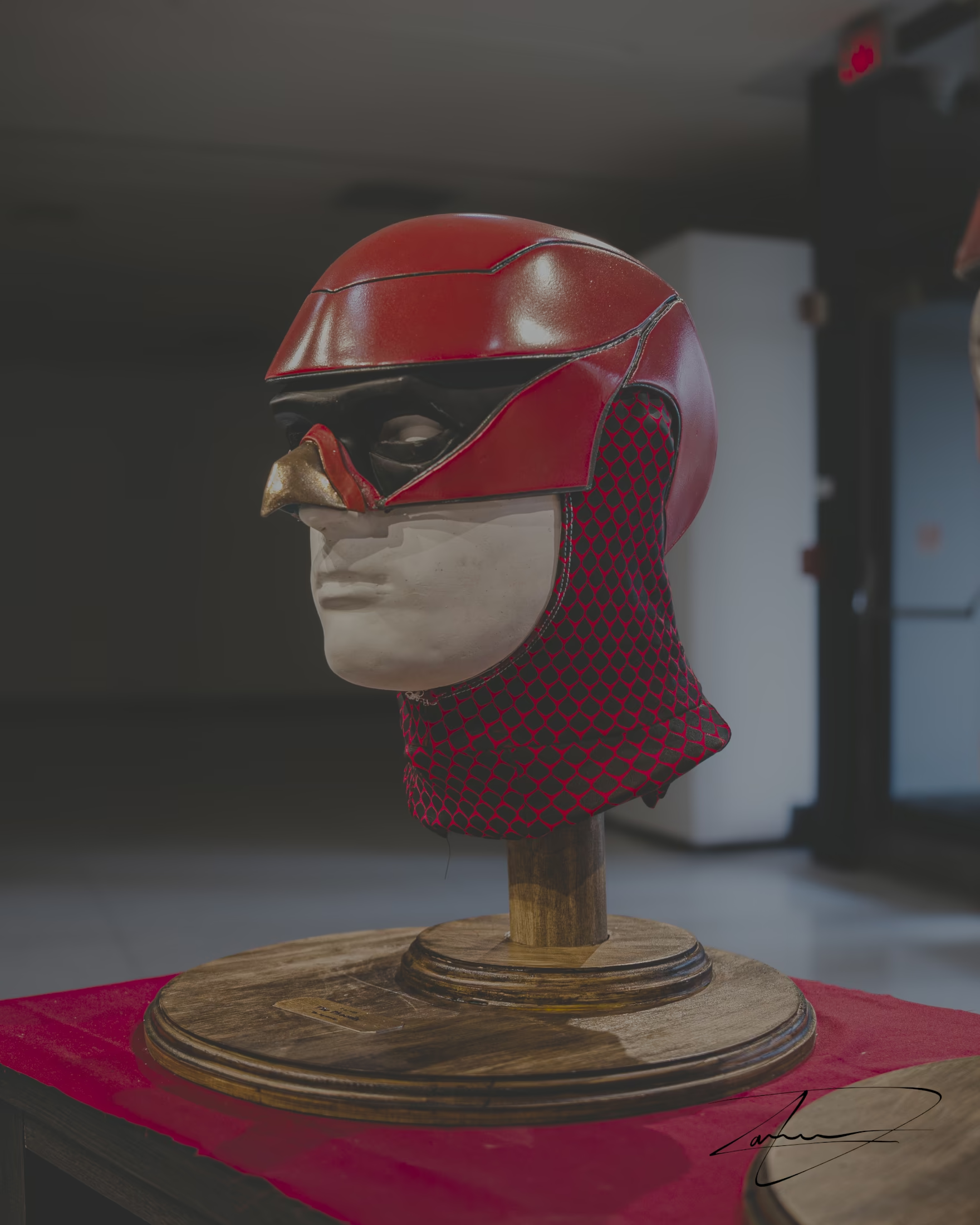
The Phoenix
The beginning
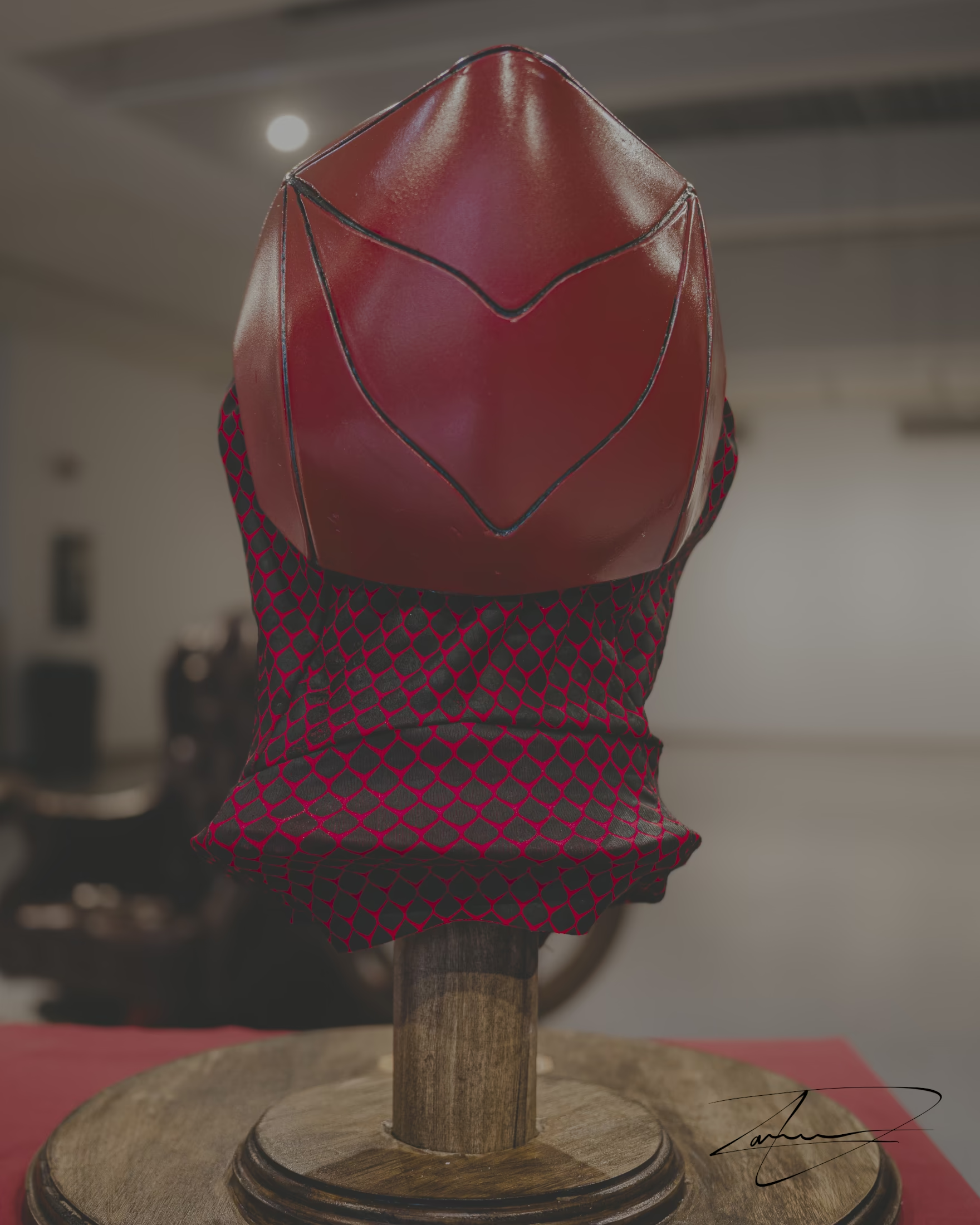
The uneclipsed sun: Elias's inherited image of what a hero looks like. This is the printed master helmet itself, sanded smooth and painted. Penumbra and Totality were cast from its mold.
III
III of VIII
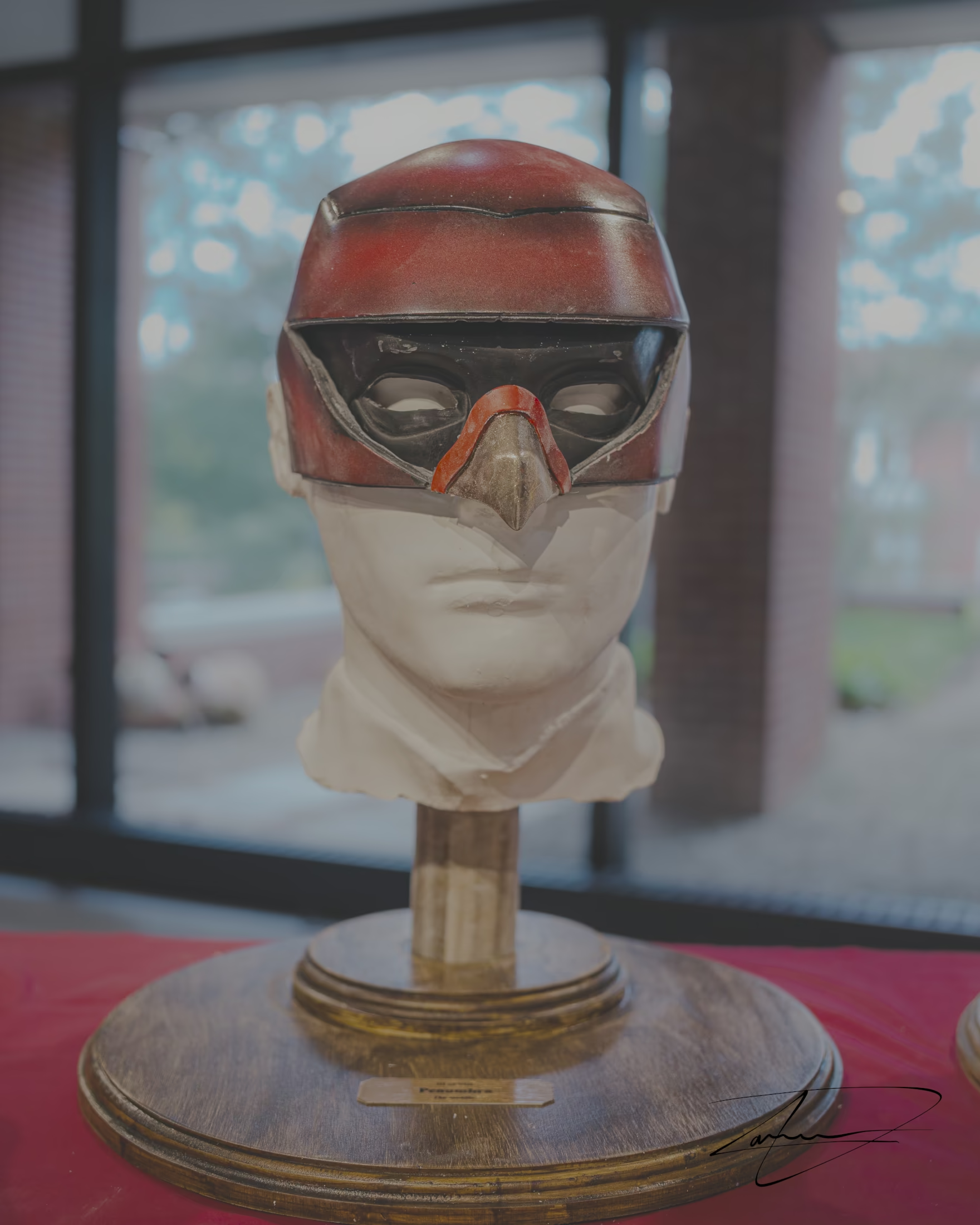
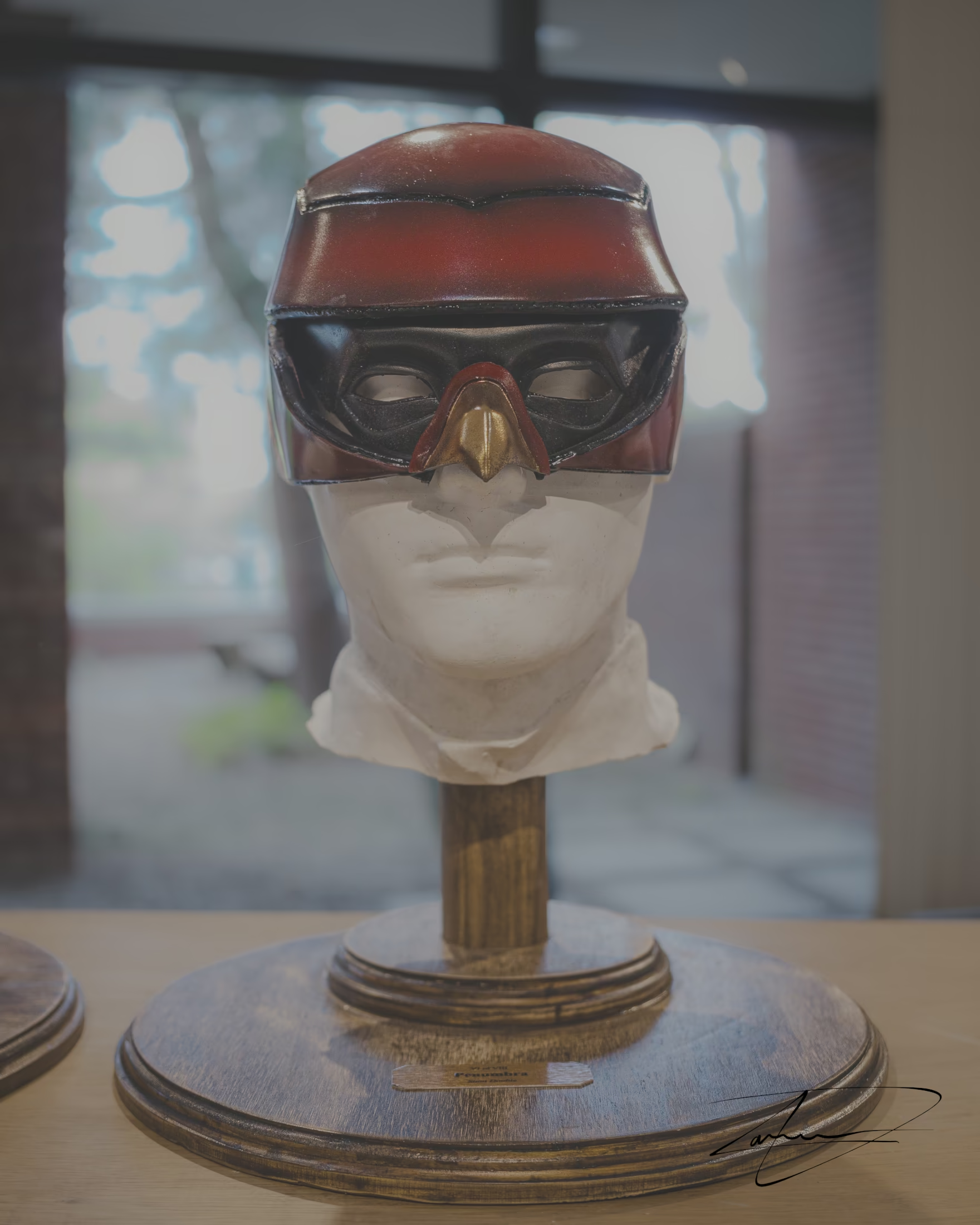
Penumbra
The middle
The partial shadow, where the character still resembles himself but something has started to fall across him.
IV
IV of VIII
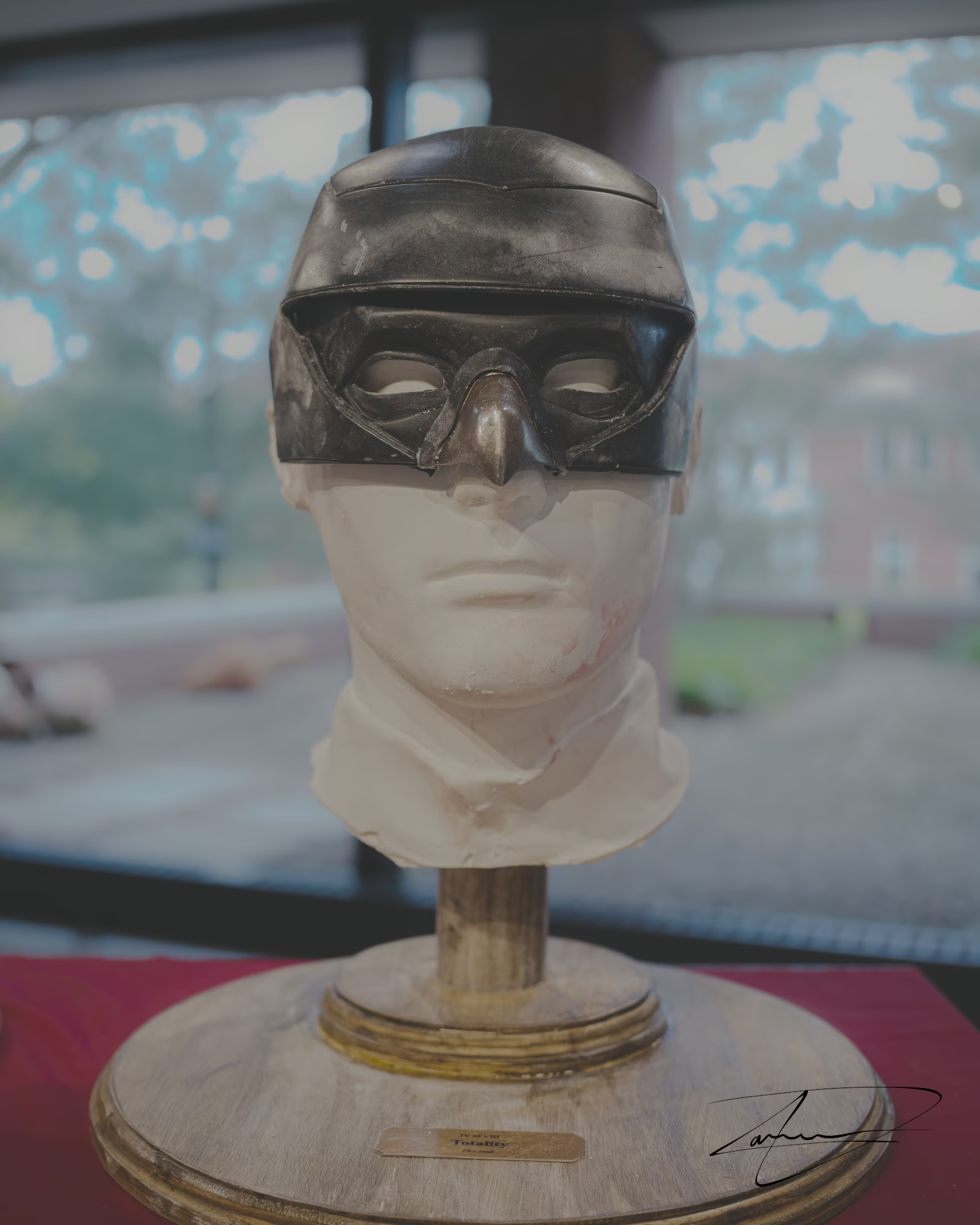
Totality
The end
Full occlusion: the moment the original light source is gone and only the outline remains.
The bar side
Each foam double sits opposite the cast it stands in for. Tubthumping, like Origin, stood apart from the row on its own.
VIII1 / 3
VIII of VIII
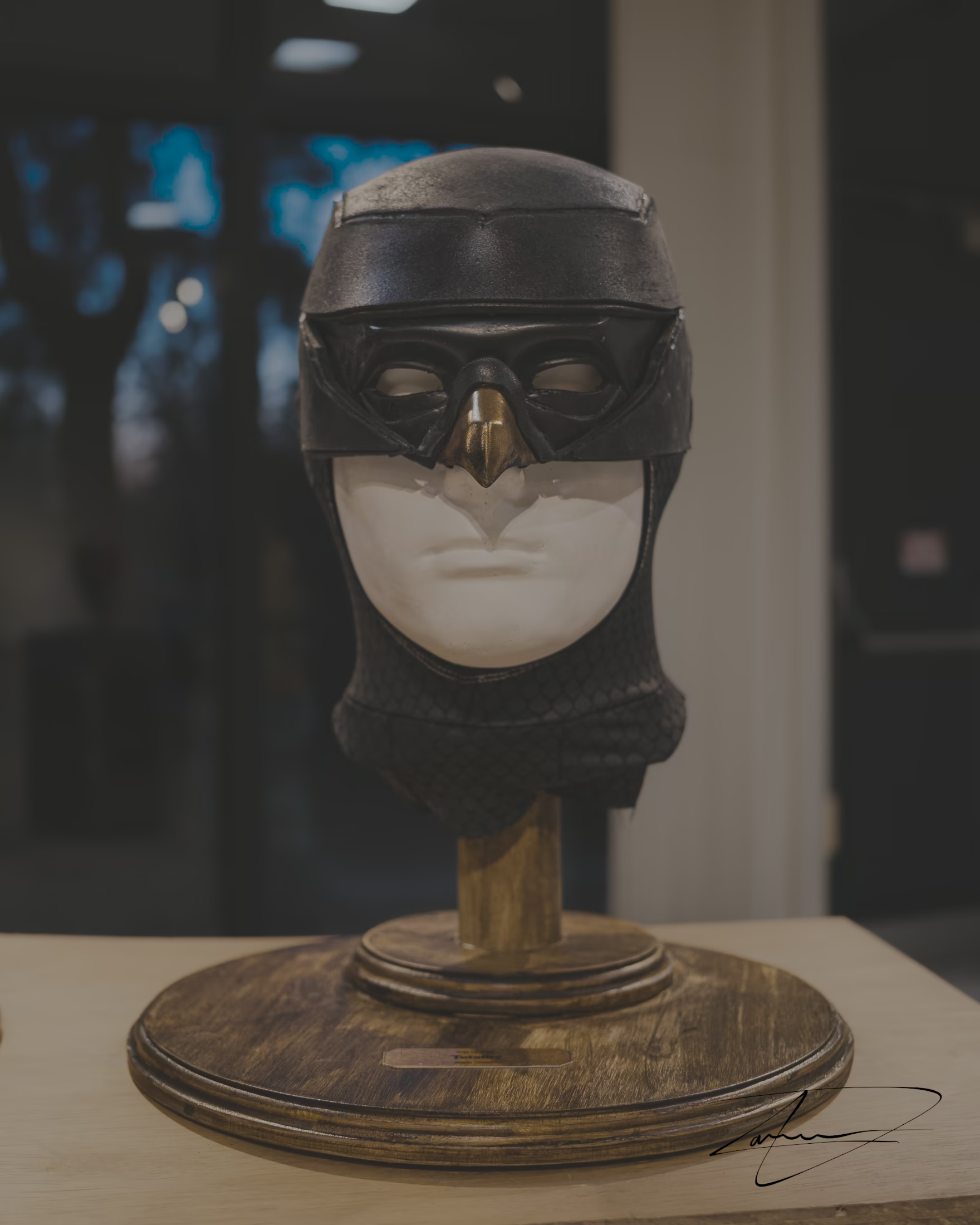
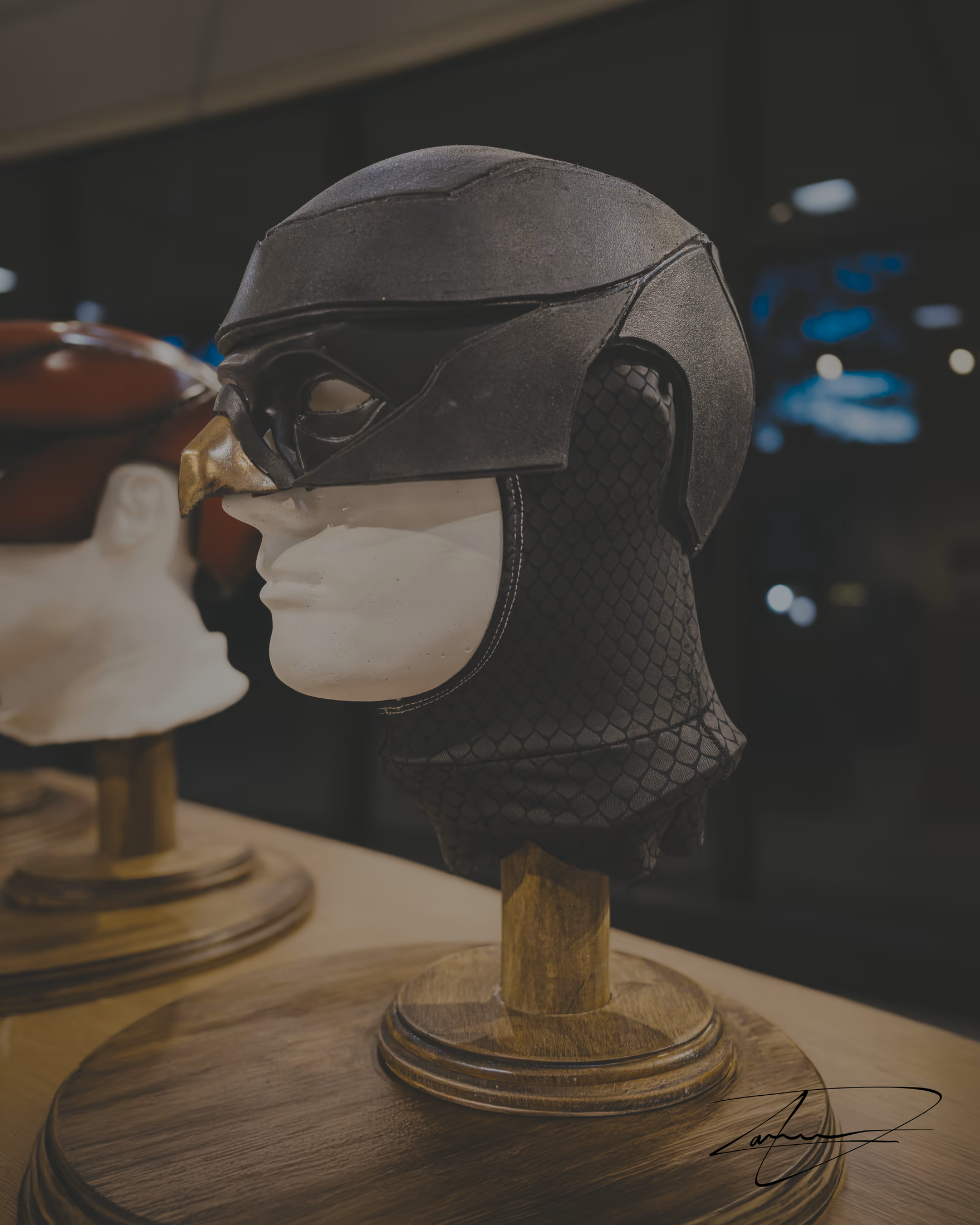
Tubthumping
Music Video
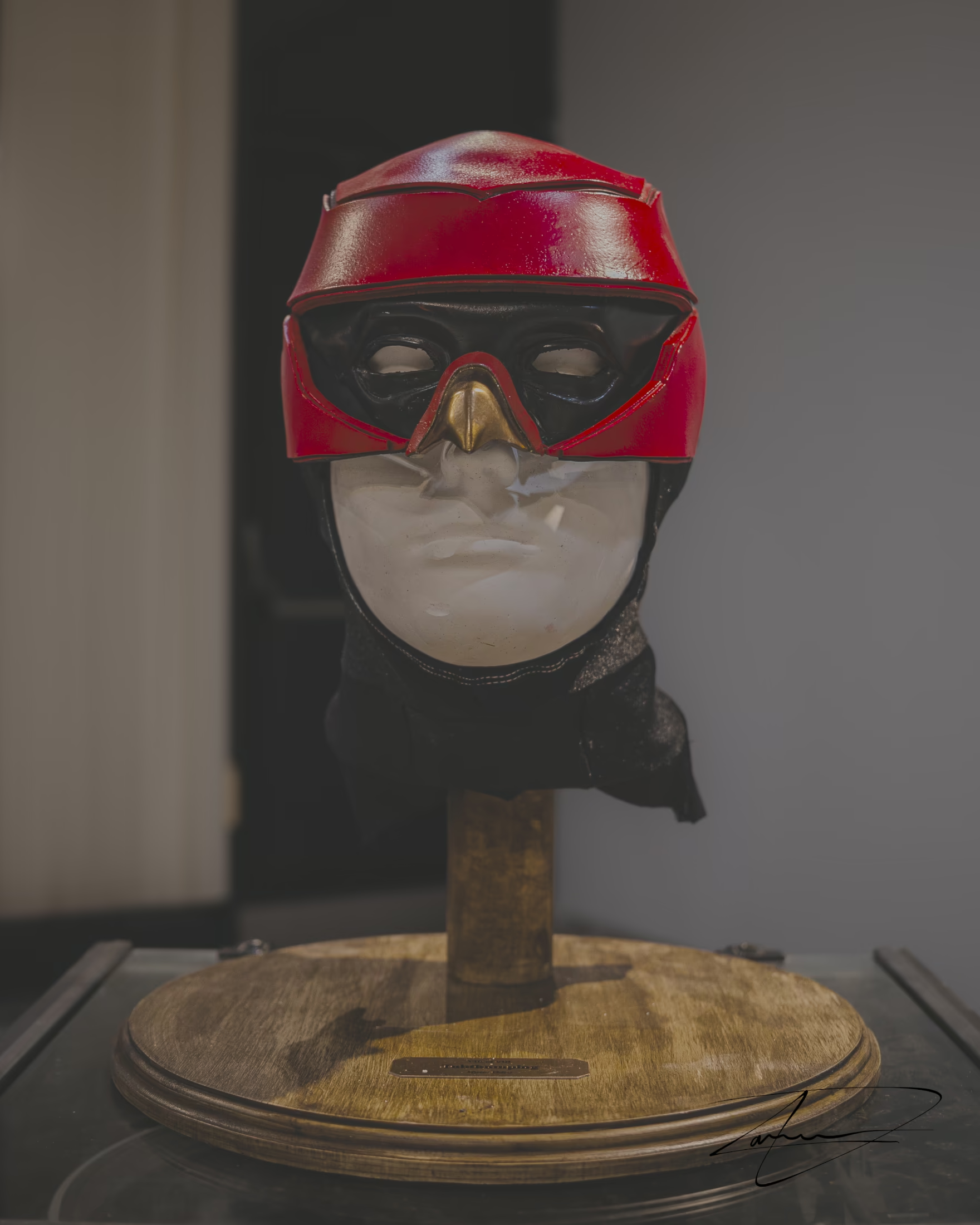
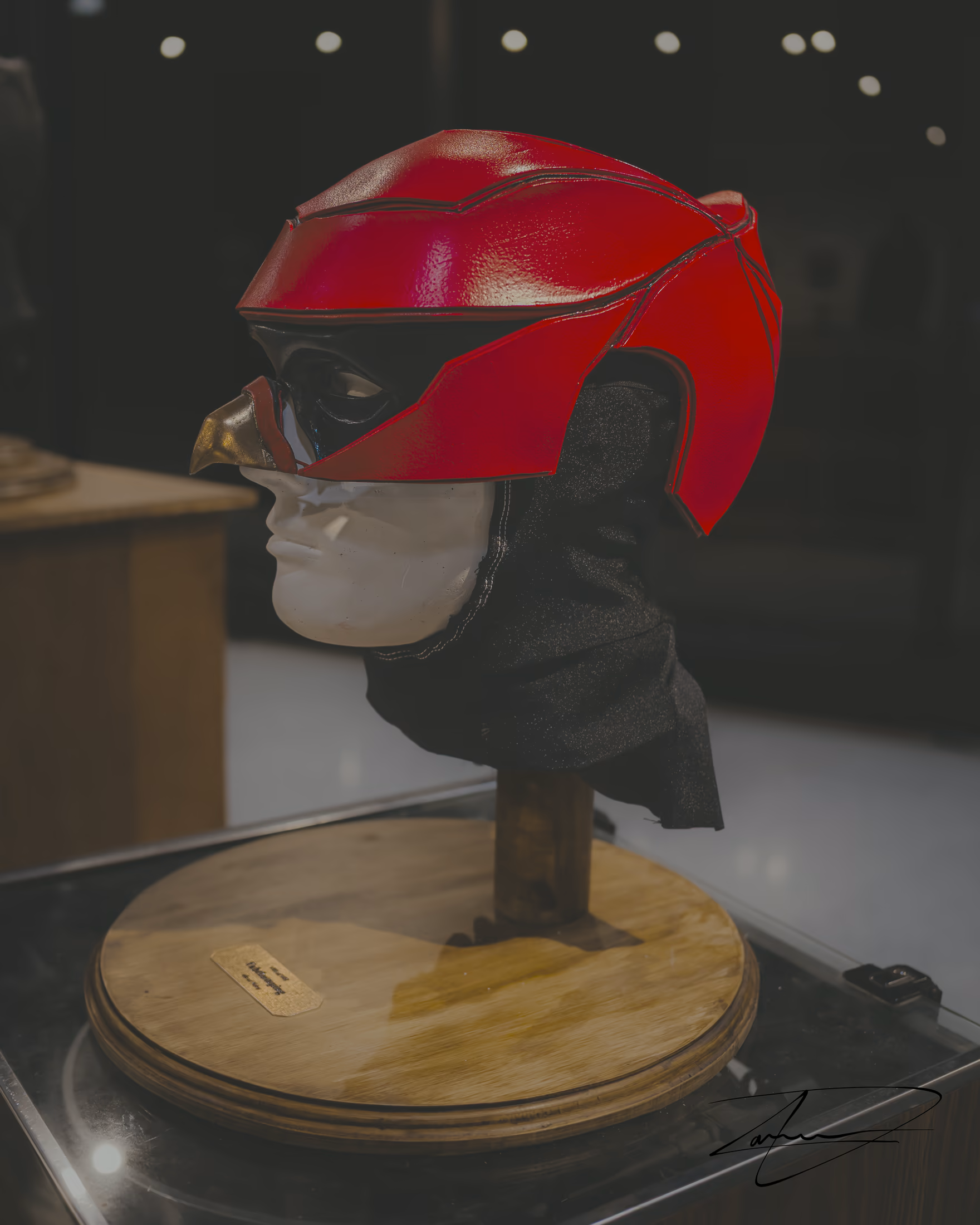
Worn by Saul Mesa in the Tubthumping music video, which plays on the CRT. It was the first foam build and the only one with a second layer of 2 mm panels glued on top for a raised look.
V
V of VIII
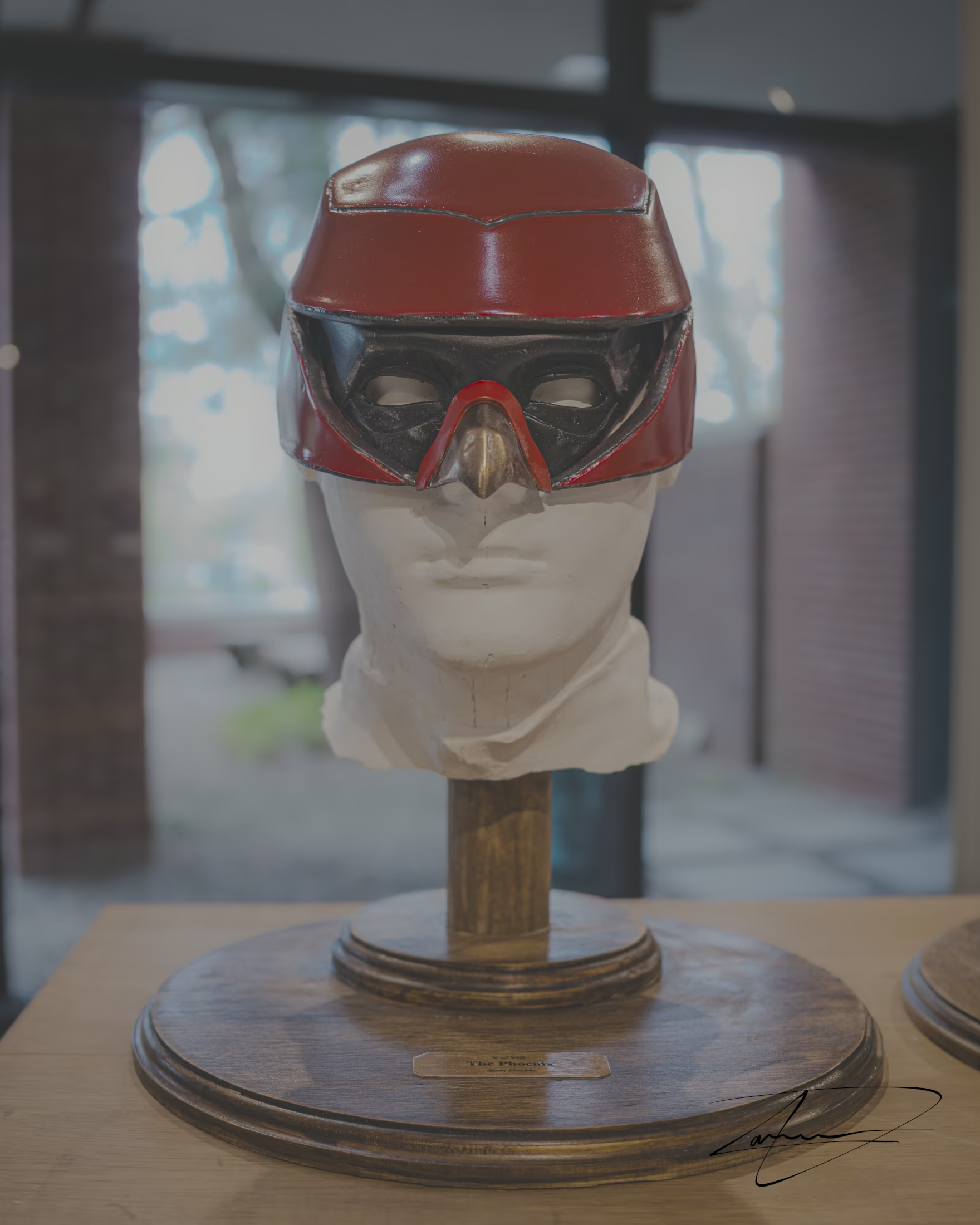
The Phoenix
Stunt Double
Foam rather than resin, and paneled rather than cast. The doubles sit along the bar mirroring their narrative counterparts, which puts the production logic behind the objects out in the open.
VI
VI of VIII
Penumbra
Stunt Double
Built after Tubthumping, and faster for it. Rather than gluing a second layer of panels on top, the panel edges are laser-etched as shallow lines, which reads the same from any normal distance.
VII1 / 3
VII of VIII
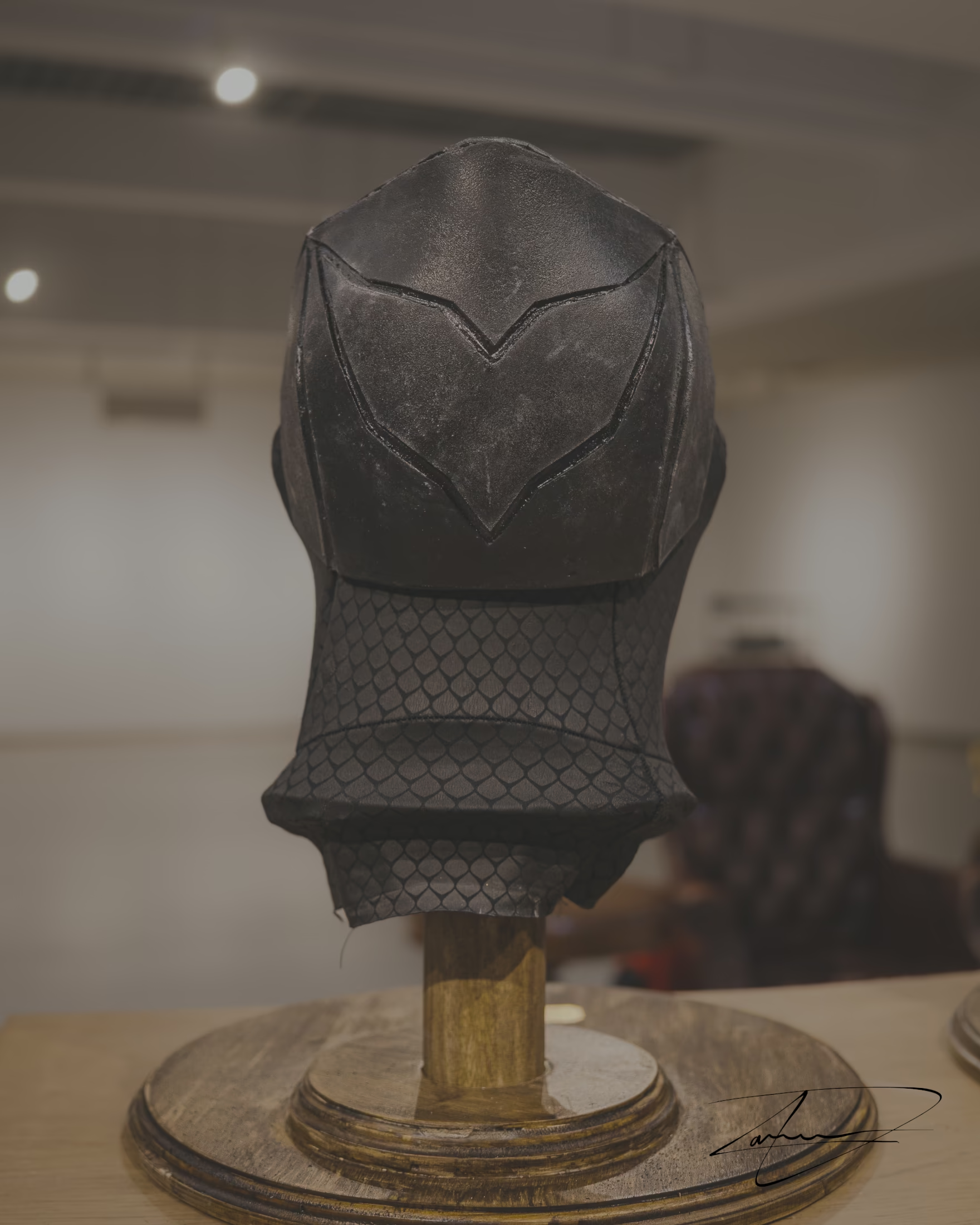
Totality
Stunt Double
The only foam helmet never painted. It was left black from the Plasti-Dip stage, because that flat black matched the character's final state better than anything that could go over it.
How it was made
Master
3D printed in two halves, a front and a back, at the ALIC facility at Bessemer. It came off the machine covered in layer lines, so it was built up in coats of Rustoleum sandable filler primer and sanded between every coat until the surface was completely smooth.
Molds
Each half got its own silicone mold: a block pour for the back, brush-on silicone with registration keys and a plaster mother mold for the front. Penumbra and Totality were both cast from them in Onyx Fast, a fast-curing Smooth-On resin.
Stunt doubles
Not cast but paneled. The master was taped up and every panel outlined on the tape, then the tape panels were cut off and flattened onto paper, scanned, redrawn in Illustrator as laser-cut files, and cut from 5 mm EVA foam.
Nose pieces
3D printed, coated in Epsilon Pro to take out the layer lines, sanded smooth and sprayed high-gloss black. Once that had set, a second thin coat went on and chrome nail powder was applied while it was still tacky, which leaves a surface that reads as worked copper.
Eyepiece
Carried over unchanged from the junior seminar prototype. The shape comes from the Netflix Daredevil mask, built so the eye openings read as emotion and threat at once. Cast in Smooth-Cast 57D, a flexible resin, then coated in black Plasti-Dip for a matte surface close to leather.
Heads
Every helmet sits on a cast of my own head, from a photogrammetry scan made with a phone during my junior seminar. The display heads are poured in pottery plaster, and a jig gave each one a two-inch dowel at the same angle so the row reads as a series rather than a collection.
Balaclavas
The pattern is a feather-and-scale design I developed in Rome, exposed onto a silk screen and printed in plastisol with a stretch additive onto milliskin matte spandex. The balaclavas themselves were drafted on a dress form and sewn on a topstitch machine.
Bases
Plywood circles cut on a bandsaw, cleaned up on a belt sander, beveled with a router and finished in a water-based stain and sealer so they read as furniture rather than display hardware. All eight are thirteen inches across, and six of them carry a second six-inch layer underneath that gives the base more depth.
Plaques
Copper-anodized aluminum, which etches silver and would have been unreadable. Instead the whole sheet was sprayed high-gloss black and the laser burned the paint off everything except the lettering, so the copper reads as the field and the text stays black.
The room
The installation itself, in the order it is walked. The pieces are in the index above.